
The Importance of Hiring a Qualified Part 107 Pilot
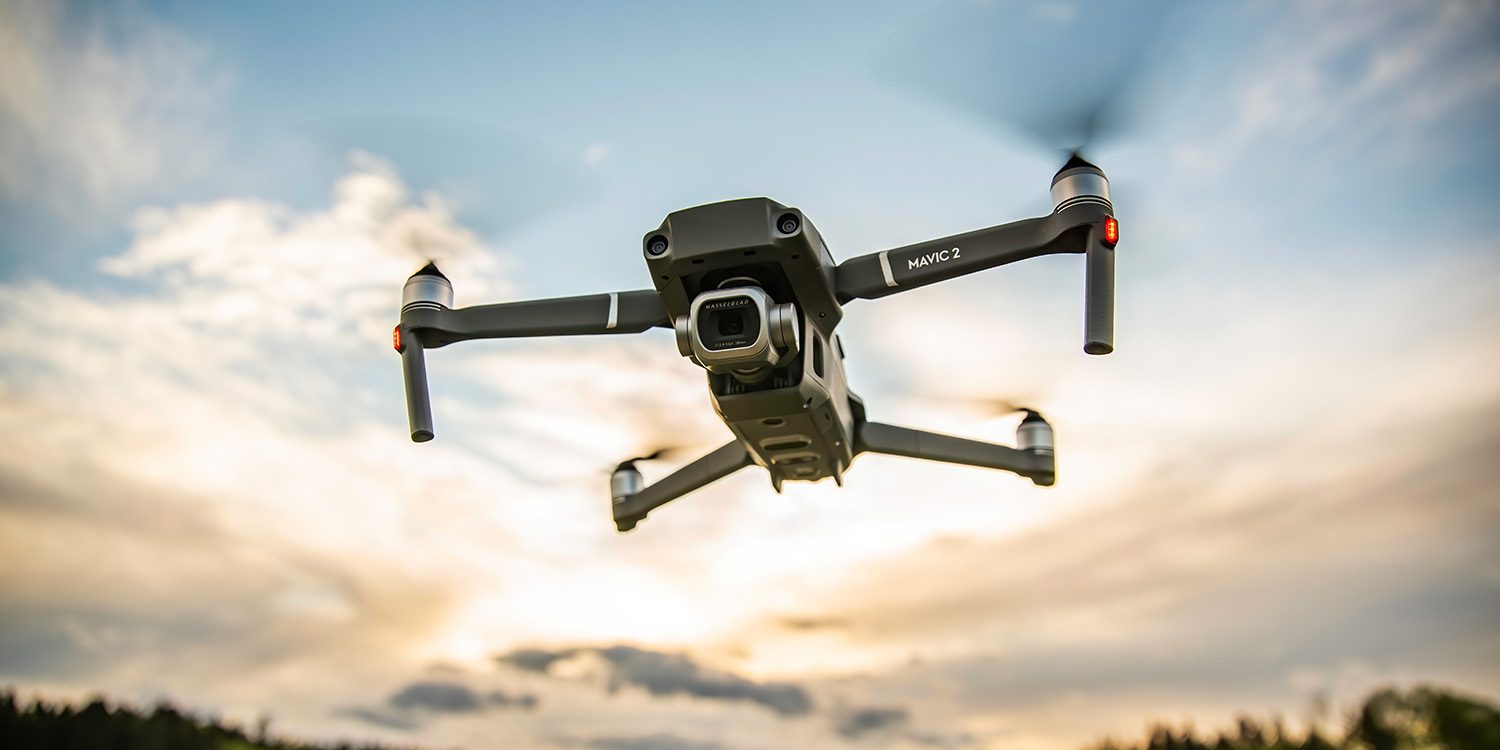
In the rapidly evolving world of technology, drones have carved out a significant niche. They're transforming industries, from real estate to agriculture, and even film production.
But who's behind these flying marvels?
The answer is commercially certified drone pilots. These professionals have undergone rigorous drone pilot training and earned their Part 107 certification. This certification is more than just a piece of paper.
It's a testament to their knowledge, skills, and adherence to safety protocols. It's also a legal requirement for anyone operating drones for commercial purposes.
In this article, we'll delve into the importance of hiring a Part 107 certified pilot. We'll explore the risks of hiring non-certified pilots, the benefits of choosing a certified professional, and the process of obtaining this crucial certification.
Whether you're a business looking to hire a drone pilot or an aspiring pilot yourself, this article will provide valuable insights. Let's get started.
Understanding Part 107 Certification
Part 107 certification is issued by the Federal Aviation Administration (FAA). It authorizes individuals to operate drones commercially.
This certification requires passing an aeronautical knowledge test. The test covers airspace classifications, flight restrictions, weather effects, and more.
Aspiring pilots must demonstrate a comprehensive understanding of drone operations. This includes safety protocols and legal compliance.
Part 107 certification ensures pilots possess essential skills and knowledge. This is crucial for operating drones in complex environments. It establishes a standard of professionalism and competence in the industry.
Certified pilots prioritize safety and follow regulations, protecting both public safety and your business interests.
Legal Requirements for Commercial Drone Operations
The legal framework for commercial drone use is defined by the FAA. To fly a drone for commercial purposes, pilots must hold a Part 107 certification.
Non-compliance with FAA regulations can lead to significant fines and legal issues. Businesses using uncertified pilots risk penalties and liability concerns.
Part 107 certification mandates knowledge of legal airspace usage. Certified pilots are aware of no-fly zones and temporary flight restrictions. This ensures safe operations and avoidance of legal pitfalls.
It's crucial for businesses to understand these legal requirements. Hiring a certified pilot protects both reputation and financial resources from potential repercussions.
The Risks of Hiring Non-Certified Drone Pilots
Engaging non-certified drone pilots can expose businesses to various risks. The most concerning is legal repercussions. Pilots without Part 107 certification cannot legally operate drones commercially.
Safety is another critical issue with uncertified pilots. They may lack proper training and awareness of aviation safety protocols. This can lead to accidents, equipment damage, and liability claims.
Quality of work is also at stake. Non-certified pilots might not deliver the same level of precision in aerial imagery and data collection. Businesses depend on accurate results, so it's essential to hire skilled and certified professionals.
Benefits of Hiring Part 107 Certified Pilots
Hiring Part 107 certified pilots brings numerous advantages to businesses. These pilots are legally authorized and trained to operate drones safely. They have a thorough understanding of airspace regulations and flight restrictions.
Certified pilots also provide higher-quality services. Their training ensures they capture accurate and detailed aerial data. This level of precision is essential for industries such as real estate, agriculture, and inspections.
Moreover, these pilots adhere to safety protocols, reducing the risk of accidents. With their expertise, they can optimize flight paths and operations. This not only saves time but also minimizes costs for businesses in the long run.
The Certification Process: How to Become a Part 107 Pilot
To become a Part 107 certified pilot, one must pass the FAA's Aeronautical Knowledge Test. This exam covers essential topics such as regulations, airspace, and weather effects on drones. It ensures that aspiring pilots have the foundational knowledge required for safe drone operations.
Preparation for the test often involves enrolling in drone pilot training courses. These programs cover all necessary materials and may include practice exams. After passing the test, applicants receive their Remote Pilot Certificate. This certification must be renewed every two years to maintain operational standards and keep up with new developments.
Safety and Knowledge: The Certified Pilot's Edge
Part 107 certified pilots possess in-depth knowledge of airspace rules and safety protocols. They undergo rigorous drone pilot training, which prepares them to handle various flying scenarios. This training ensures they can navigate complicated airspace safely.
Certified pilots also understand weather conditions and their impact on drones. They are skilled in assessing risk factors and making informed decisions. This expertise significantly reduces the chances of accidents. Hiring commercially certified drone pilots can protect your business from costly mishaps and ensure your projects succeed smoothly and professionally.
Insurance and Liability: Protecting Your Interests
When employing drone services, insurance and liability should be top priorities. Part 107 certified pilots typically have the necessary insurance coverage, safeguarding your projects against potential mishaps. Proper insurance not only protects equipment but also covers any damage to property or third parties.
Without a certified pilot, you risk facing substantial fines or legal battles. Certified pilots are well-versed in FAA regulations and maintain compliance to minimize liability risks. This ensures your operations remain within legal parameters, protecting your company’s reputation and financial interests. Investing in commercially certified drone pilots is a prudent decision for peace of mind.
Industries Benefiting from Certified Drone Pilots
Various industries increasingly depend on certified drone pilots for enhanced operations. In real estate, drones provide stunning aerial views, transforming property listings into compelling marketing tools. Likewise, agriculture benefits from drones monitoring crop health, optimizing yield through precise data.
Construction sites harness drone technology for efficient site inspections and progress tracking. Infrastructure projects utilize drones for comprehensive surveys, ensuring accurate planning and safety. In media and film, drones capture high-quality footage, elevating content production. By hiring certified pilots, these industries capitalize on expert skills, ensuring projects are executed smoothly and effectively.
The Future of Drone Technology and Certification
Drone technology continues to evolve at a rapid pace. Innovations are pushing boundaries, introducing capabilities that were once unimaginable. With these advancements, the demand for skilled, certified pilots will only grow.
Regulations adapt to match technology, stressing the importance of staying informed. Aspiring pilots must keep up with certification changes to remain competitive. As the industry expands, certified pilots will be pivotal in harnessing new opportunities and ensuring safe operations. This growth promises a dynamic future for those ready to embrace it.
Conclusion: Why Part 107 Certification Matters
Part 107 certification is crucial for unlocking the potential of commercial drones. It ensures legal compliance and promotes safety. Hiring certified pilots offers peace of mind and access to superior aerial services. Embracing this certification enhances efficiency, safeguards investments, and propels businesses toward success in an innovative field.