
#1 – The Client We Had to Fire | Over the Bull®
We fired a client. That’s right. In our very first episode of Over the Bull, we opened up about one of the toughest decisions an agency can make: letting a client go. This isn’t something we do casually or often,…

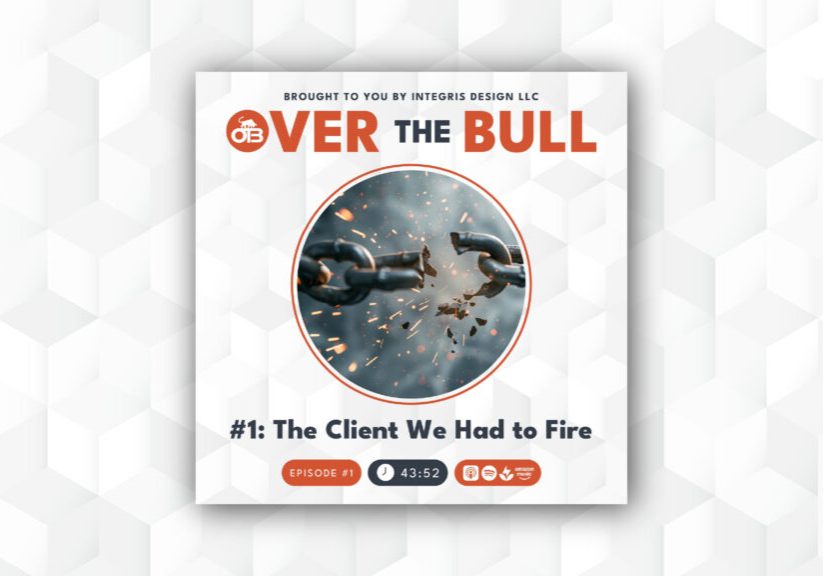
We fired a client. That’s right. In our very first episode of Over the Bull, we opened up about one of the toughest decisions an agency can make: letting a client go. This isn’t something we do casually or often, but sometimes, despite the best intentions and plenty of hard work, the relationship simply doesn’t work out. What follows is the story of why we ended a client engagement, what went wrong, and what every business can learn from it.
The Warning Signs
The client was a plumber with a strong brand. His logos, color palette, and slogans were exceptional—well beyond what most small businesses bring to the table. We didn’t create his brand, but we saw the potential. Unfortunately, when we looked deeper into his operations, things were far from polished. His phone call tracking was a mess, his web presence was confusing, and his overall marketing strategy lacked structure. We knew from the beginning it would take time and effort to turn things around, but we were committed to that process.
Clients often fall into recognizable patterns, especially when they’ve had bad experiences in the past. This client came to us jaded—skeptical, scattered, and a little angry. He’d been promised easy wins by other marketers and had nothing to show for it. We understand that mindset, and we try to help clients reframe their expectations. Marketing isn’t magic. It’s slow, strategic, and rooted in reality. But not everyone is ready to hear that.
In the early days, he had a lot of questions, which we welcomed. Questions show interest and offer a chance to build trust. But over time, those questions became something else—aggressive, accusatory, and disruptive. A big source of that tension came from what we call the “Good Samaritan” emails. These are unsolicited messages claiming to have found issues on a client’s site, usually attached with a ‘report’ and a sales pitch. The client fell for them every time. He’d receive one of these, panic, and immediate…
The problem with those reports is that they’re easy to generate and rarely provide any real context. Anyone with the right tool can create a slick-looking document that makes it seem like everything is broken. And if you don’t know what you’re looking at, they can be scary. But they don’t account for strategy, timing, or what’s already in the pipeline. Responding to each one wasted our time, distracted our team, and cost us energy we needed for other clients.
When Good Intentions Aren’t Enough
Despite the challenges, there were positives. The client brought new ideas to the table, especially regarding niche marketing opportunities in the plumbing industry. He was willing to test and invest in third-party services, and we gave each one a fair shot, tracking their effectiveness with unique phone numbers and custom URLs. Unfortunately, none of them panned out. Still, we respected his willingness to try, and it showed he cared about growing his business.
But there were deeper issues. He ran hot—his mood dictated his demands. He’d call late at night, label minor concerns as emergencies, and regularly missed or overstayed meetings. It became emotionally exhausting. Yet we stayed committed, because we believed in the progress we were making. He even began trusting us more over time, inviting us into key decisions and asking for our guidance. That growth gave us hope.
Ultimately, the relationship didn’t end because of emails or mood swings. It ended over non-payment. He stopped paying us, then bizarrely turned our agency over to a collections agency. We tried to be patient. We offered payment plans. But the deeper issue was a lack of accountability. He’d say small invoices arrived while larger ones mysteriously didn’t. He asked us to rebuild a year’s worth of accounting just to find ways to contest charges. It became clear he was no longer acting in good faith.
What You Can Learn From This
We’ve only had to fire a handful of clients since 2006. But when we do, we aim to do it respectfully and clearly. In this case, even drafting the termination agreement turned into 13 hours of back-and-forth revisions—more confirmation that we were right to walk away.
What’s the takeaway? A few things, actually. If you’re working with an agency, trust the process. Stay involved, but don’t get caught chasing shiny distractions. Reports are only as good as the context you view them through. Passion is great, but consistency, communication, and accountability are what truly build success. And above all else—pay your partners. Respect their time, and they’ll go above and beyond for you. We did. Until we couldn’t anymore.
Listen to our full episode:
#1 – The Client We Had to Fire | Over the Bull®
We fired a client. That’s right. In our very first episode of Over the Bull, we opened up about one of the toughest decisions an agency can make: letting a client go. This isn’t something we do casually or often, but sometimes, despite the best intentions and plenty of hard work, the relationship simply doesn’t…
We fired a client. That’s right. In our very first episode of Over the Bull, we opened up about one of the toughest decisions an agency can make: letting a client go. This isn’t something we do casually or often, but sometimes, despite the best intentions and plenty of hard work, the relationship simply doesn’t work out. What follows is the story of why we ended a client engagement, what went wrong, and what every business can learn from it.
The Warning Signs
The client was a plumber with a strong brand. His logos, color palette, and slogans were exceptional—well beyond what most small businesses bring to the table. We didn’t create his brand, but we saw the potential. Unfortunately, when we looked deeper into his operations, things were far from polished. His phone call tracking was a mess, his web presence was confusing, and his overall marketing strategy lacked structure. We knew from the beginning it would take time and effort to turn things around, but we were committed to that process.
Clients often fall into recognizable patterns, especially when they’ve had bad experiences in the past. This client came to us jaded—skeptical, scattered, and a little angry. He’d been promised easy wins by other marketers and had nothing to show for it. We understand that mindset, and we try to help clients reframe their expectations. Marketing isn’t magic. It’s slow, strategic, and rooted in reality. But not everyone is ready to hear that.
In the early days, he had a lot of questions, which we welcomed. Questions show interest and offer a chance to build trust. But over time, those questions became something else—aggressive, accusatory, and disruptive. A big source of that tension came from what we call the “Good Samaritan” emails. These are unsolicited messages claiming to have found issues on a client’s site, usually attached with a ‘report’ and a sales pitch. The client fell for them every time. He’d receive one of these, panic, and immediate…
The problem with those reports is that they’re easy to generate and rarely provide any real context. Anyone with the right tool can create a slick-looking document that makes it seem like everything is broken. And if you don’t know what you’re looking at, they can be scary. But they don’t account for strategy, timing, or what’s already in the pipeline. Responding to each one wasted our time, distracted our team, and cost us energy we needed for other clients.
When Good Intentions Aren’t Enough
Despite the challenges, there were positives. The client brought new ideas to the table, especially regarding niche marketing opportunities in the plumbing industry. He was willing to test and invest in third-party services, and we gave each one a fair shot, tracking their effectiveness with unique phone numbers and custom URLs. Unfortunately, none of them panned out. Still, we respected his willingness to try, and it showed he cared about growing his business.
But there were deeper issues. He ran hot—his mood dictated his demands. He’d call late at night, label minor concerns as emergencies, and regularly missed or overstayed meetings. It became emotionally exhausting. Yet we stayed committed, because we believed in the progress we were making. He even began trusting us more over time, inviting us into key decisions and asking for our guidance. That growth gave us hope.
Ultimately, the relationship didn’t end because of emails or mood swings. It ended over non-payment. He stopped paying us, then bizarrely turned our agency over to a collections agency. We tried to be patient. We offered payment plans. But the deeper issue was a lack of accountability. He’d say small invoices arrived while larger ones mysteriously didn’t. He asked us to rebuild a year’s worth of accounting just to find ways to contest charges. It became clear he was no longer acting in good faith.
What You Can Learn From This
We’ve only had to fire a handful of clients since 2006. But when we do, we aim to do it respectfully and clearly. In this case, even drafting the termination agreement turned into 13 hours of back-and-forth revisions—more confirmation that we were right to walk away.
What’s the takeaway? A few things, actually. If you’re working with an agency, trust the process. Stay involved, but don’t get caught chasing shiny distractions. Reports are only as good as the context you view them through. Passion is great, but consistency, communication, and accountability are what truly build success. And above all else—pay your partners. Respect their time, and they’ll go above and beyond for you. We did. Until we couldn’t anymore.